Help Save the California Digital Newspaper Collection
Short version of this article:
- The California Digital Newspaper Collection, a state treasure, needs your help. The State Assembly and Senate eliminated their funding last year, and plans to do so again this year.
- Fill out this petition to request that funding be restored, and call your state senator and assembly member to request that the cuts to the California Newspaper Project in AB 121 be reversed in this year’s budget.
- The Senate Budget Subcommittee meets tomorrow, April 19th, and the Assembly Budget Subcommittee meets May 2nd. So call your State Senator NOW and ask that they restore funding to the California Newspaper Project.
- Also, consider making a donation to help maintain the archive.
When not creating Sutro animated GIFs, I sometimes write about local history. Pretty much anything interesting I find usually comes from one of three places:
- Sanborn Maps (via David Rumsey, or the SFPL)
- old SF city directories (via the directory of directories at SF Geneology, scanned by the Internet Archive)
- the California Digital Newspaper Collection (CDNC, UC Riverside)
The CDNC is a gold mine, a godsend, a treasured and fascinating view of a San Francisco and a California that are gone yet still with us every day. Where we work, where we live, where we eat and drink are all impacted by the people whose stories were captured by journalists and advertising from 100 years ago. These stories are brought back to life by the scans of the CDNC.
Just a few articles I’ve written that relied on the CDNC:
- Shipwrecks and captains
- Shipwrecks and beer
- Baseball (and beer)
- Valencia and 26th Street (and a bar)
- Valencia and 18th Street (and a beer garden)
- Baseball (and beer)
- The Bernal gold rush (and beer)
The amazing part is that the CDNC is free. This is by design:
“Simply put, we cannot and should not rely on commercial interests to properly digitize and protect our newspaper heritage for future generations.”
But we all know that free comes with a cost:
“The CDNC archive is immense: 20 terabytes of data and growing. All this data is being preserved on onsite and offsite servers and also with tape backups. Managing and safekeeping this archive requires a substantial investment in hardware and personnel.”
Over the past 10 years, the California State Legislature has funded this preservation of California’s history, scanning disintegrating newspapers and microfilm. Unfortunately I received this alarming note from the team at UC Riverside that runs the CDNC:
Last year Assembly Bill No. 121 (AB 121) eliminated all of the $216,000 in state funding for the California Newspaper Project. This funding has also been eliminated from next year’s budget.
If State funding is not restored, work on preserving the remaining newspaper microfilm and digitizing state papers will come to a halt and will be difficult or impossible to fully resume again.
Please sign this petition requesting that the state resume funding for this educational resource that costs so little, yet gives so much.
Better yet, call your California State Senator and State Assembly Member and encourage them to restore funding for the California Newspaper Project (CNP) in this year’s budget that was eliminated last year in AB 121.
The Senate Budget Subcommittee meets TOMORROW, Thursday, April 19th, and the Assembly Subcommittee meets May 2nd, so contact them asap.
21st Sutro GIF
For I am become GIF, the animator of worlds.
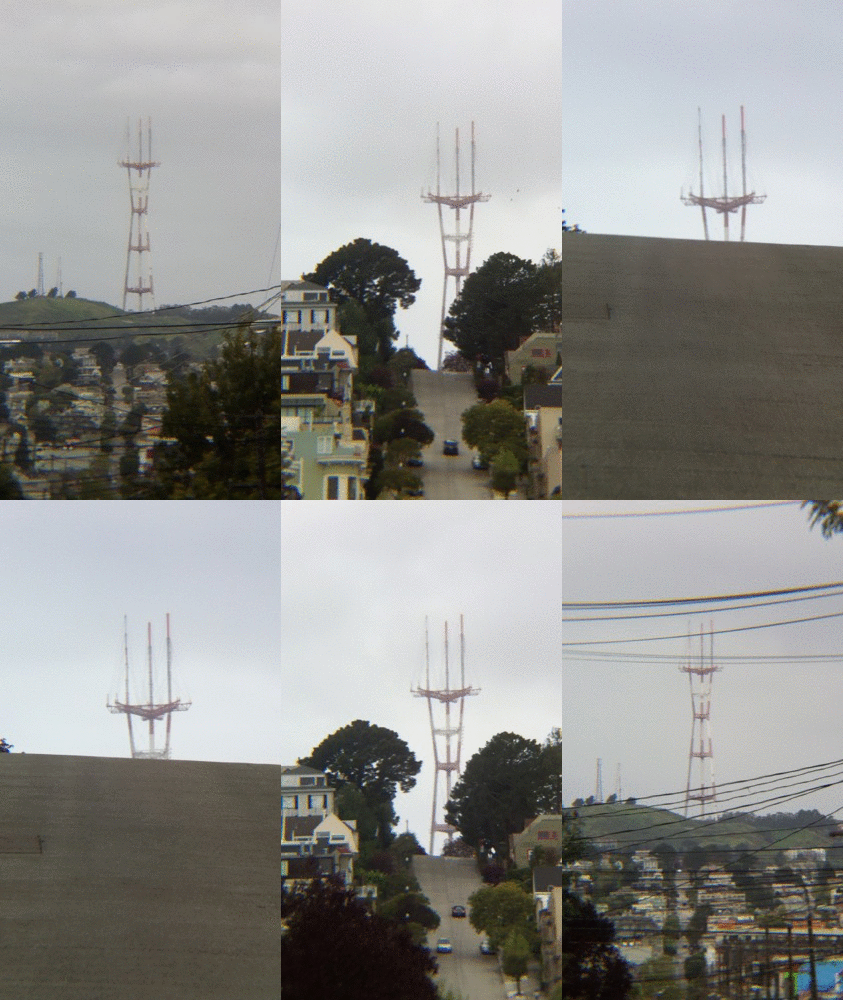
Or, “what a bowling ball would see if you dropped it at 21st and Sanchez.” Movie here. (But I think we all realize the superiority of our loopy friend.)
Anyone know of an iOS app that allows easy frame-by-frame alignment? I need to smooth this puppy out.
Save me, Sutro
So when San Francisco has its next thunder and lightning show in 2015, I highly recommend watching from Southern Pacific Brewery. The big windows make for great viewing. (Only in San Francisco does thunder and lightning get applause.)
While these are not nearly as dramatic as the photo of multiple lightning strikes on the Bay Bridge, I did manage to capture a few live lightning shots with my iPhone through the big brewery window:
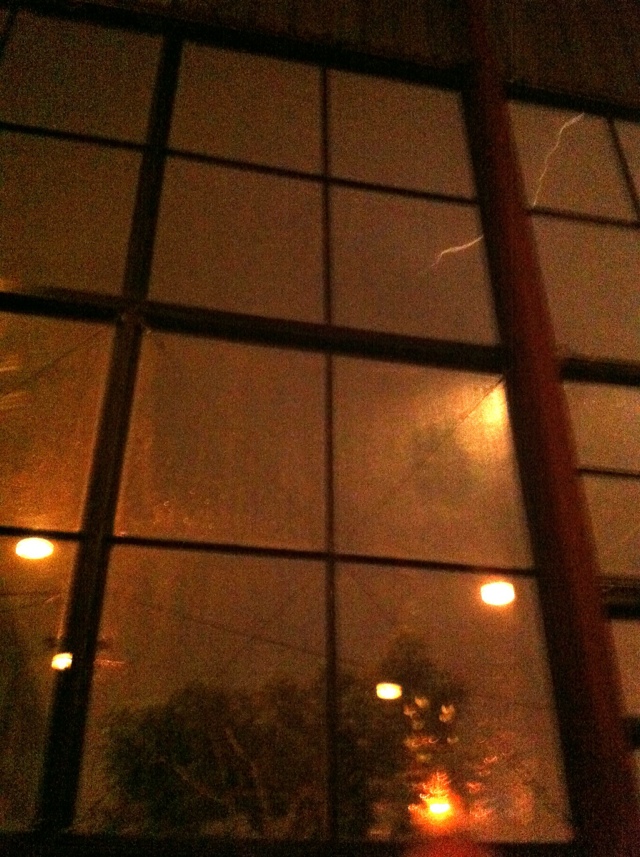
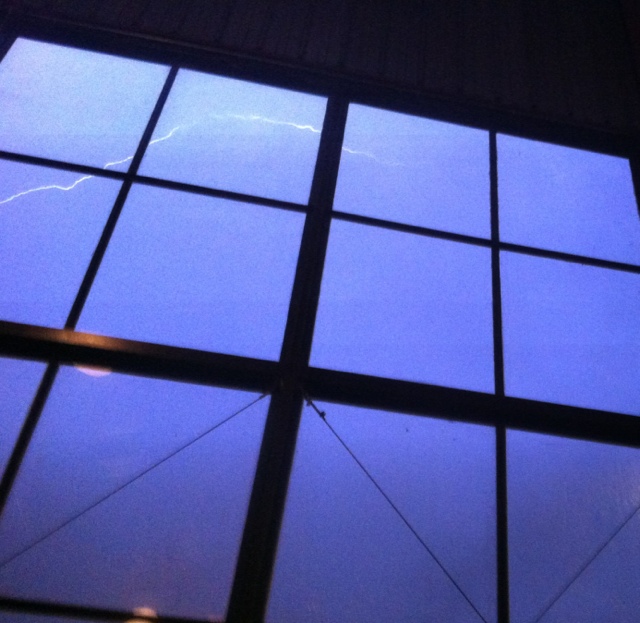
Pro-tip: the iPhone doesn’t actually take a picture until you let go of the button. So if you are willing to aim, pres & hold, and wait, you stand pretty good shot of getting, well, a good shot. This of course makes it difficult to drink your beer (never mind pour a pitcher) but such are the sacrifices I am willing to make for you and science.
The esteemed @rrmutt/rotormind left his Sutro timelapse cam running through the storm, and captured a hit on Sutro itself (a little after the one minute mark).
http://blip.tv/the-rotor-show/episode-6084274
Unlike this fabulous shot, you can’t actually see Sutro, just the bolt, so I took the liberty of taking a few choice frames for the sake of perspective and converted into an animated GIF:
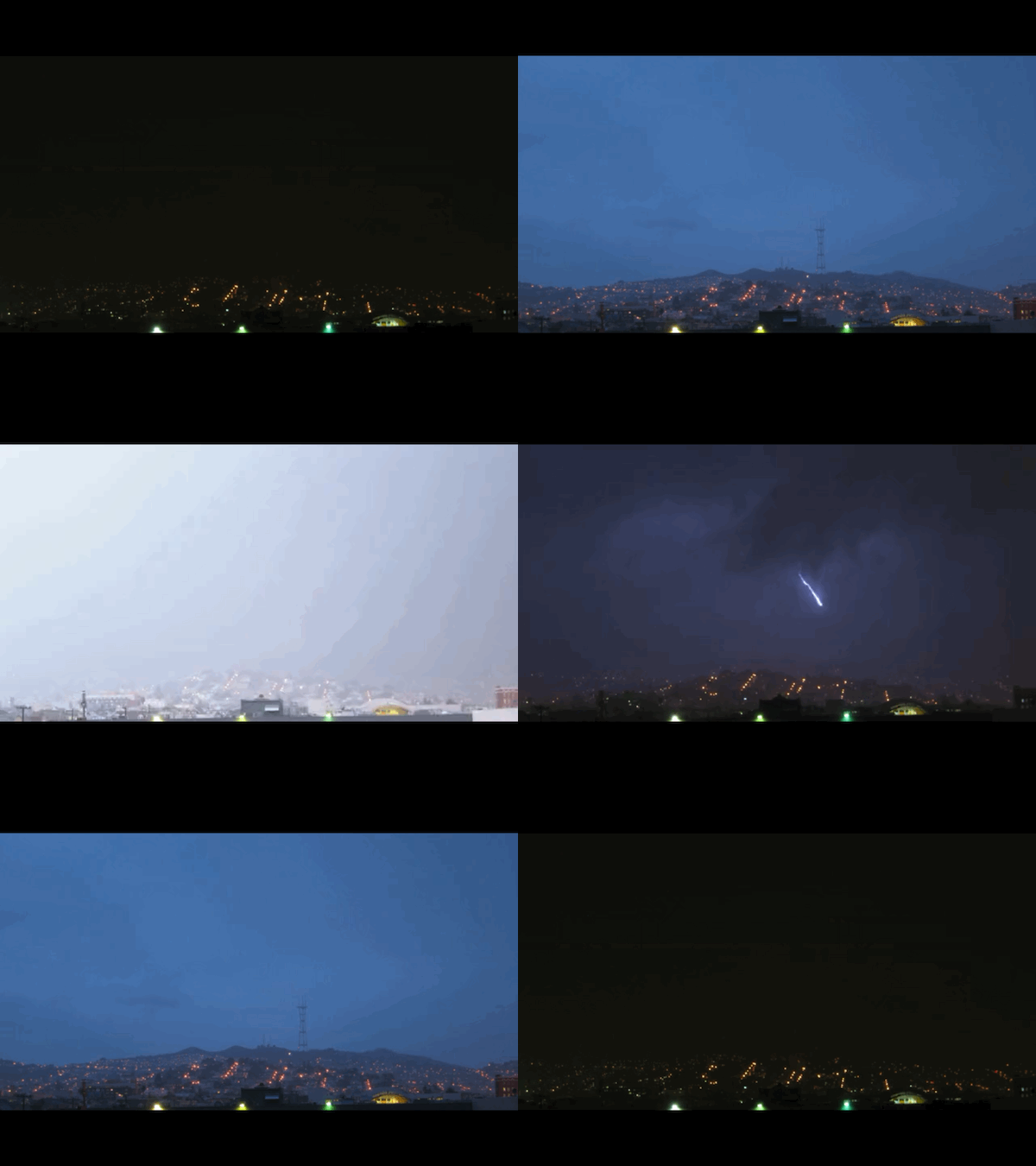
Sutro, saving us from lightning since 1973.
UDPATE: Wow, I’d forgotten about the 5 AM thunderstorm back in Sept 2009.
And of course the instant classic of Sutro getting hit by lightning by Tom Nielsen.
To Sutro!
Walking to Sutro along 21st, from Potrero to Sanchez, taking a picture or two per block.
My legs are tired.
Here’s Sutro from Potrero & 21st:

And from Sanchez and 21st:

And looking back at Potrero from Sanchez:

1940 Census Data Reveals Kick-Ass Chrono-Neighbors
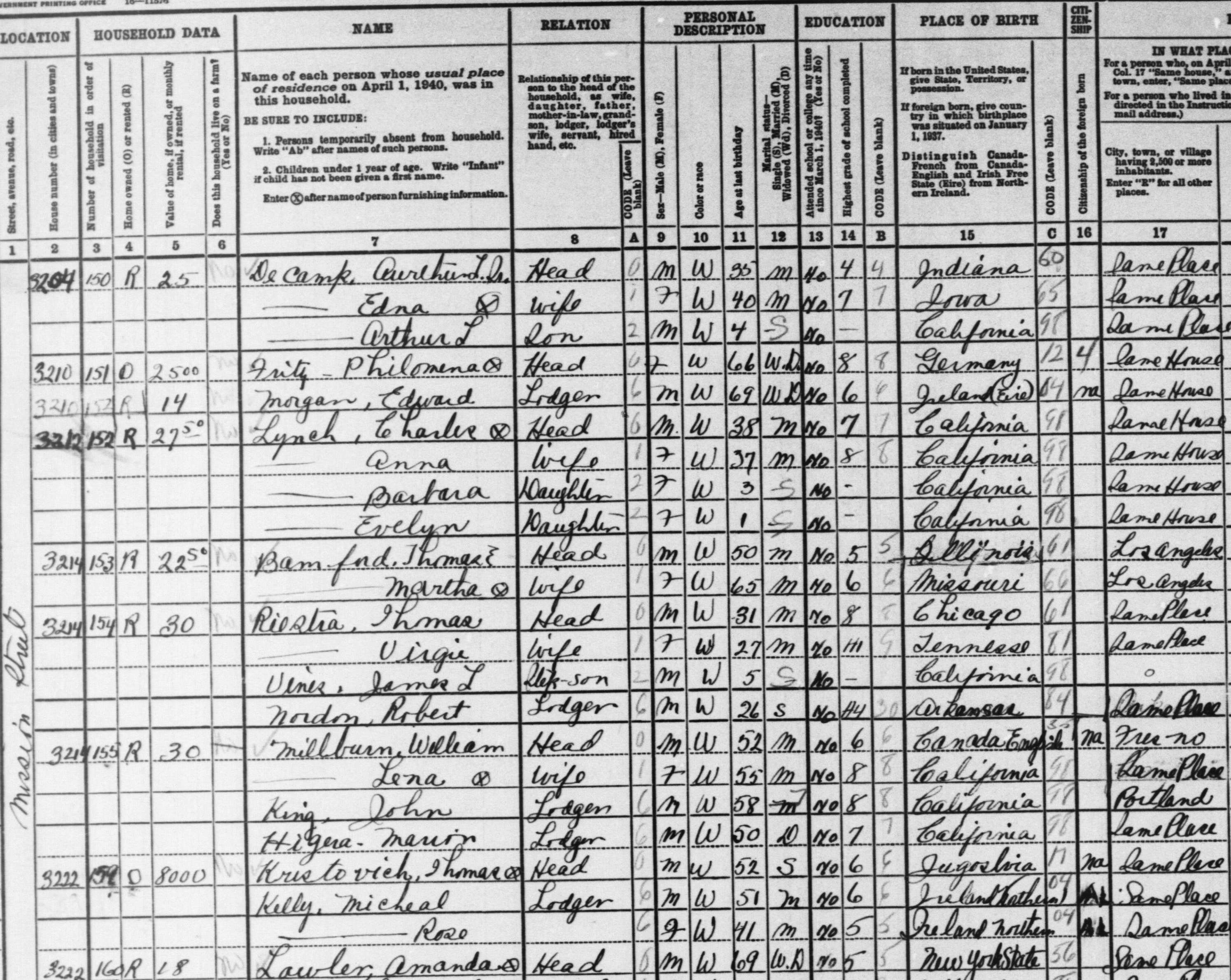
The 1940 US Census data just came online! Needless to say it is rather fascinating. Here’s a sample sheet for the west side of Mission St between 29th and Valencia:

Here’s a crop showing household residents, ages, and the value of the house, or rent paid:
Employment information, including yearly salary:

I’m sure that other neighborhoods will be different, but this was a working-class area, and highest salary I saw was $2500 per year for the likes of cops, bakers, welders, firemen. Adjusted for inflation, this is about $40K per year. (The CPI for 1940 is about 16.)
Houses ran about $4000-$5000 for a 2-bedroom, 1-bath, and about $6000 for 3-bedroom, 2-bath. Adjusted for inflation, that would be $65-$100K which is pretty insane. Not sure on apartments, but you can figure out the percentage of salary that went into housing by looking at the rent. $25 to $35 seems typical, or about $400 to $560 in today’s dollars.
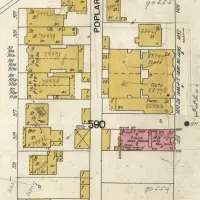
Here’s a map showing who lived in three of buildings along the 3200 block of Mission St, along with some of the census data.

(I cheated a bit and used the 1915 Sanborn map rather than the 1950 map –by 1940 few things had changed.)
Picking a name at random, Charles and Anna Lynch lived with their two girls (aged 3 and 1) at 3212 Mission, above what is now Mi Lindo Peru. They paid $27.50 each month for rent. Charles was a fireman and made $2500 a year, or $208 a month, so his rent was just 13% of his salary. I’m guessing that their landlady Philmena lived below them, along with Ed the motorman who worked for the Market St. Railroad.
Ironic footnote: 3212 Mission was the site of that fire last year.
Their next-door neighbors in 3214 were the Bamfords, originally from LA. He was a shoemaker who made $60 a month but paid $30 a month in rent.
Up the street, William Catalano, 25, his 23-year old wife Beatrice and their 5 year old son William Jr. lived in an apartment block that was torn down few decades later to make way for the Bank of America parking lot. William was a musician, working on a “music project”, pulling in $985 a year, or $82 a month, and paid $15 a month in rent.
William was a jazz drummer and a pretty kick-ass dad. How do I know that? Well, it turns out that a few years later, his son, “Billy” Catalano, picked up the trumpet in school and ended up a noted musician himself. He passed away in 2005, and his obituary was in the Chronicle.
“William “Billy” Catalano, Jr., a lyrical and passionate jazz trumpet player and teacher who performed in scores of San Francisco nightclubs and theatres and instructed thousands of young musicians in a career that spanned six decades, has died.”
Billy’s school band teacher tried to get him to play the trombone, and said that he could only play the trumpet if he supplied his own. So what did his dad do?
“The boy’s father, jazz drummer Bill Catalano, spent that night playing poker and won a silver trumpet on a turn of a card, which Billy proudly brought to school the next day.”
So, yeah, that was pretty cool random Google search.
None of these files are scanned or indexed yet, but you can most easily find your “Enumeration District” by searching at the site Steve Morse and Joel Weintraub have set up. Once you get the ED narrowed down, you can download the original census forms for that area, which will only be two or three blocks of homes, at least in San Francisco. Pro-tip: save yourself some time and just download the entire set of scanned images for your ED — the image browser is pretty hard to use.
The Catalano family is just one story. Time to start thinking about how to get the names and data onto a map to figure out some more.
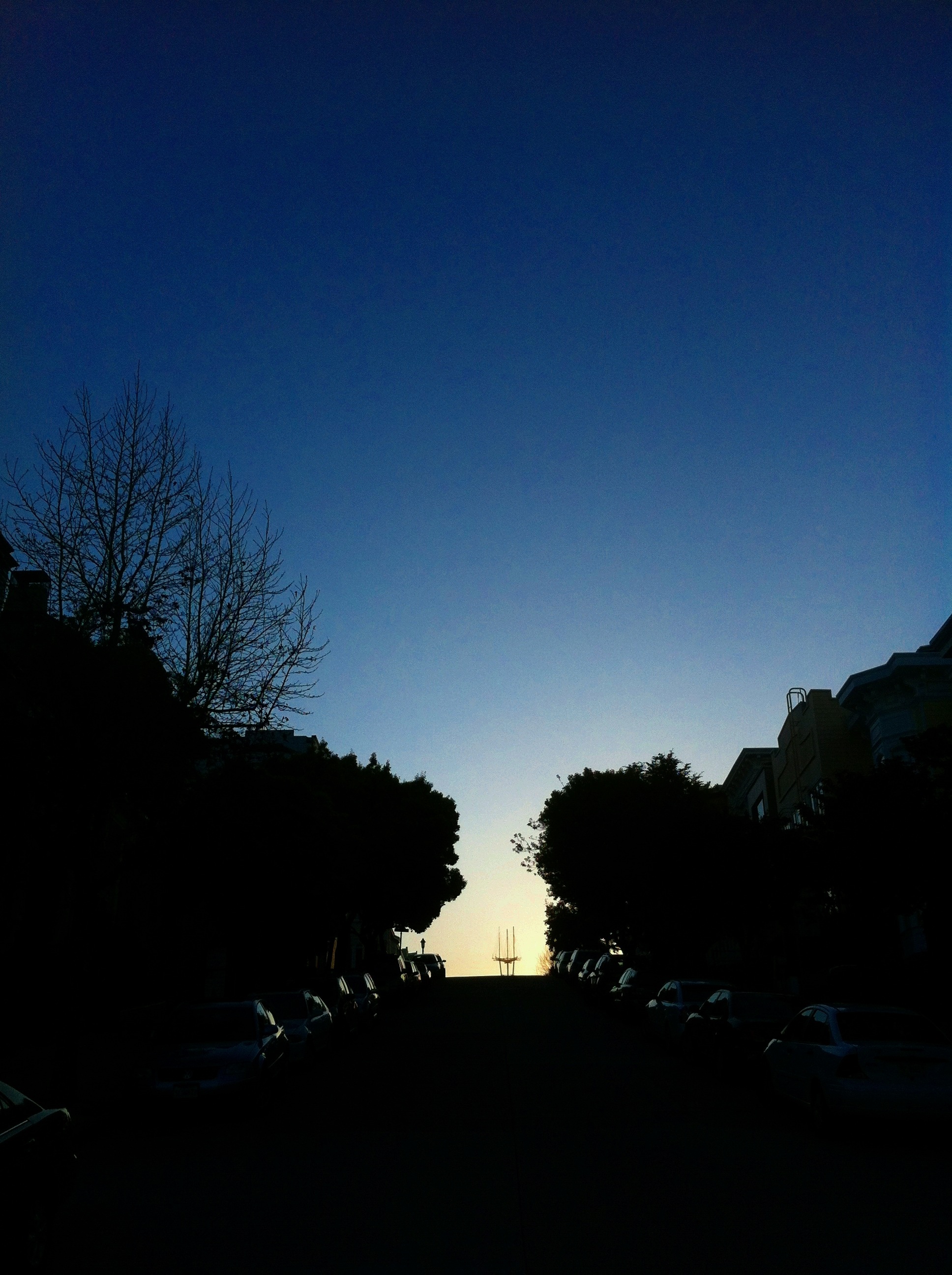
Subtle Sutro Sunset

Sutro, Master of Disguise
Hey, where did Sutro go?!?

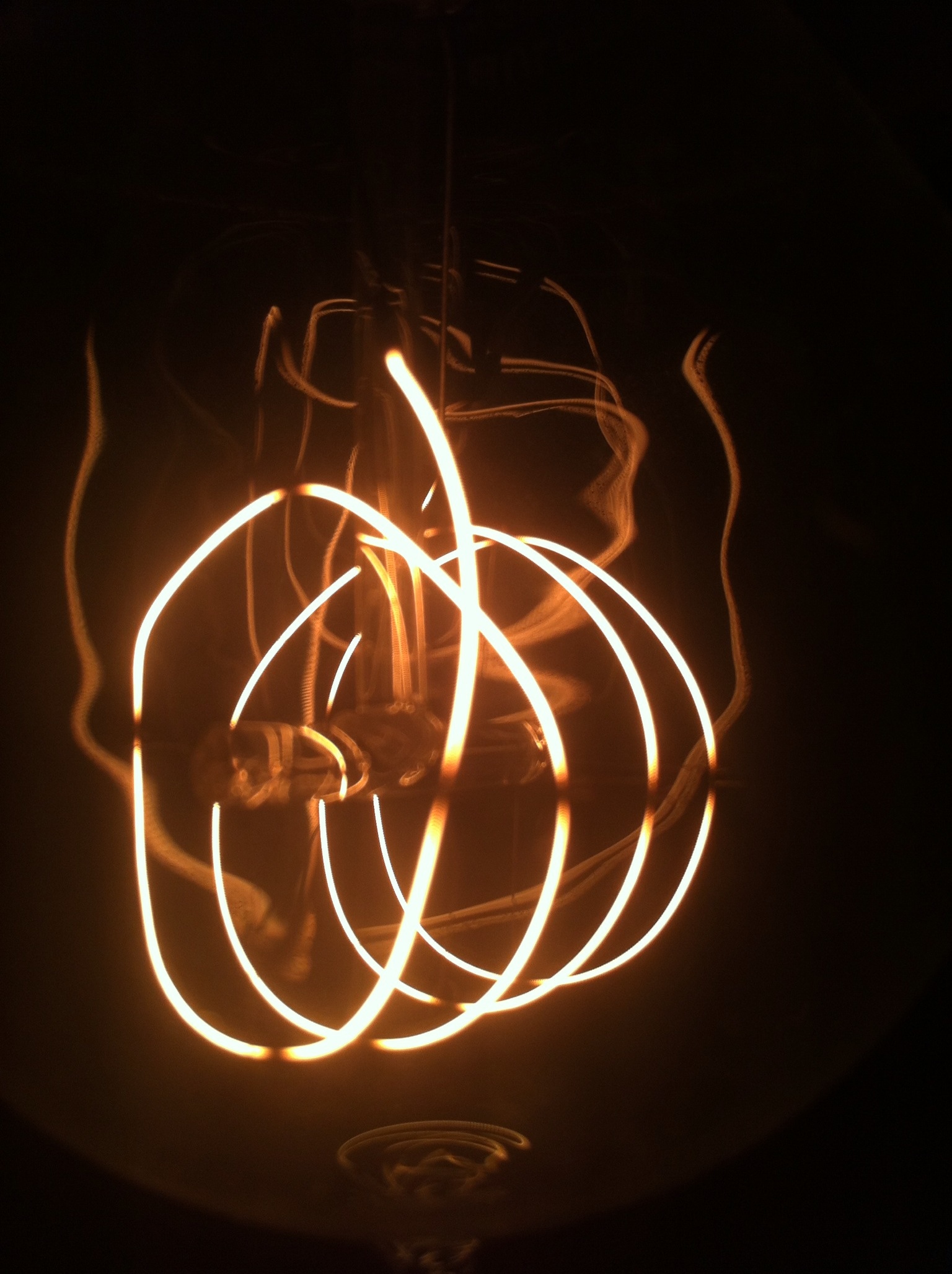
Edison Glows Forever


I wear my Space Glasses at night
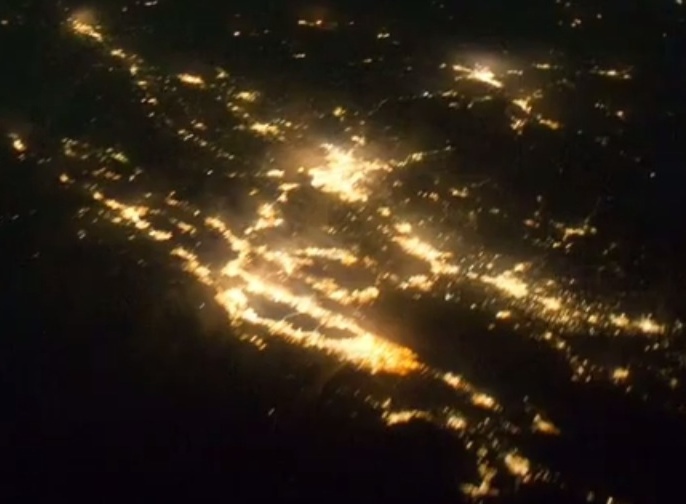
(Yet another) remarkable 9 minute compilation of HD timelapse video from the ISS:
There’s a nice pass over Northern California at the 6:30 mark:
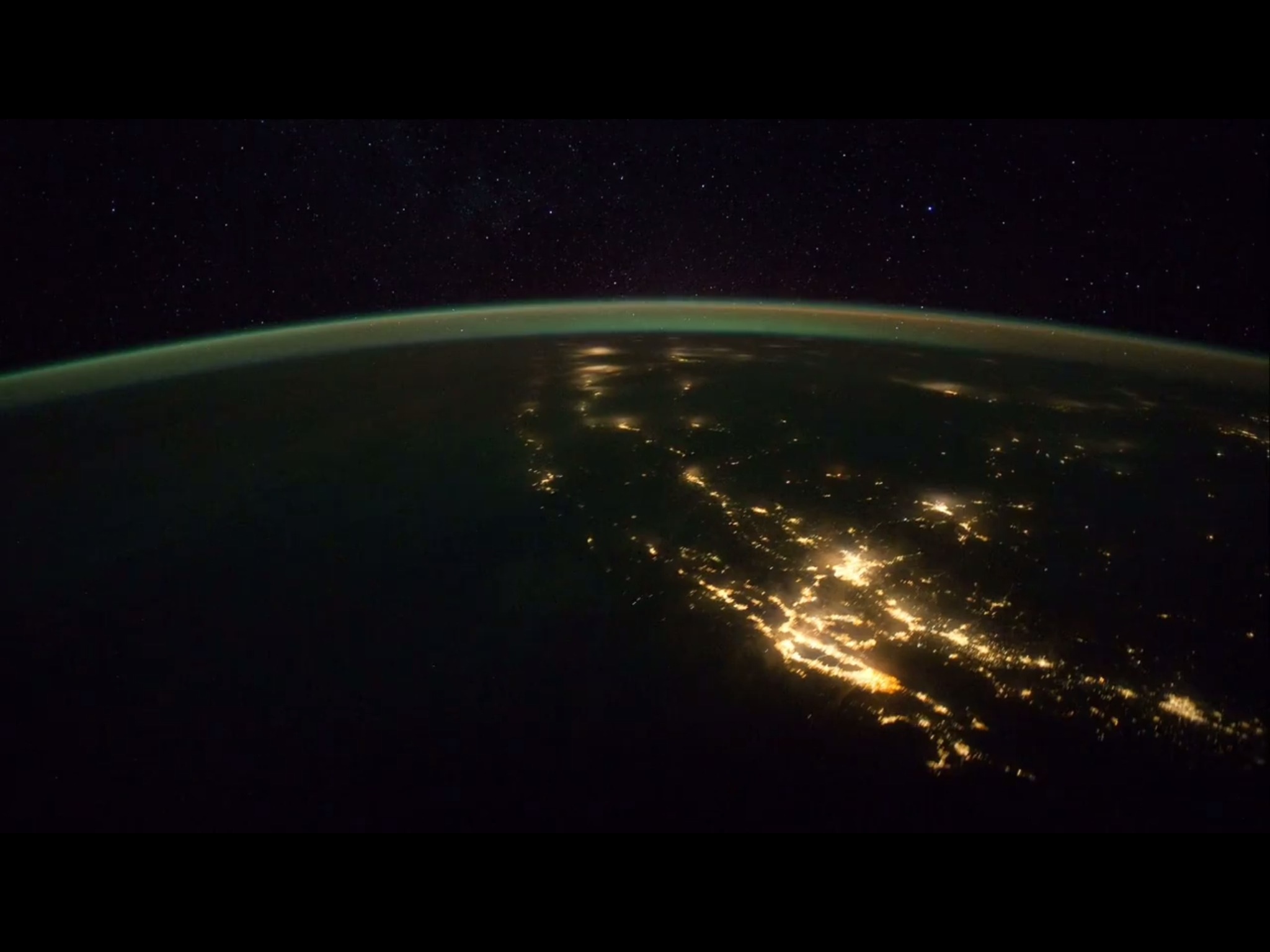
The Bay Area bridges are clearly visible:
Sutro Storms
Sunday sunset:
https://twitter.com/rrmutt/statuses/184181112296312832
http://blip.tv/the-rotor-show/episode-6046911
(On Saturday, you couldn’t even see Sutro.)
IMPORTANT UPDATE:
Reader TomN used his alternate angle from Eureka Valley and captured the very same Sutro sunset, and more specifically, an epic Moon/Venus/Jupiter-set as they battled for visibility through the clouds:




 Burrito Justice